
Private air charter flights from Philadelphia
Private air charter flights from Philadelphia start at Northeast Philadelphia Airport, which has two runways and Atlantic Aviation on the ramp. The longest runway measures 7,000 feet, long enough for every class we quote. What you pay depends on the class as much as the miles.
- Start
- Philadelphia
- 1field
- 0priced routes
Philadelphia flyers usually start at Northeast Philadelphia Airport (PNE), a two-runway field in the northeast corner of the city with Atlantic Aviation on the ramp. It keeps you out of the commercial scrum at PHL and puts you minutes from I-95 and the Bucks County line. The 7,000-foot runway at PNE handles light through heavy classes without a fuel stop on most East Coast legs.
The route mix from Philadelphia leans regional and Florida-bound. For a Florida run with a full cabin, a midsize jet is the pick for its payload margin. Expect a fuel stop on the longer pairings depending on payload and weather.
Summer is the pressure point. July averages a high in the upper 80s and PNE's density altitude peaks around 2,500 feet, which can trim payload on turboprops and light jets on the hottest afternoons. Winter is friendlier to performance but brings de-icing delays. When your trip falls on a summer Friday, then start the conversation early because PNE aircraft commit fast. Weekday morning departures are the easiest to source; the Sunday return is when quotes firm up.

Request an estimate
Choose an itinerary, number of travelers and luggage to view the suitable class, duration and an approximate price.
How your Philadelphia charter quote
Give the trip shape first
Tell us the airports, dates and passenger count before anything else. PNE handles most local departures, but a Center City group heading to the Shore or New England may do better from a field closer to their side of the city. If your group starts north or west of the city, then a different field can cut more drive time than it adds in taxi.
Match the aircraft class to the leg
A light jet covers Washington and New York comfortably; a midsize is the sensible pick for Chicago or Atlanta with a full cabin. If you are flying four passengers to South Florida in July, then a midsize jet gives you the payload margin the heat takes away. We quote the class, not a single tail, so you see the real range.
Lock the date and watch the season
Summer Fridays and holiday weekends are when PNE-based aircraft get committed and quotes firm up. Winter trips are easier to place but allow for de-icing before a morning departure. When your date is firm, then ask us to hold an option while you decide. We confirm the aircraft and the crew, then send the itinerary in writing.
Plan the day of the flight
Arrive at the FBO with ID for each passenger; there is no TSA screening at PNE, which is one reason people use it. If your leg crosses a border, then CBP clearance is arranged at the destination or a port of entry. We send the FBO address and a contact the day before.
Airports serving Philadelphia
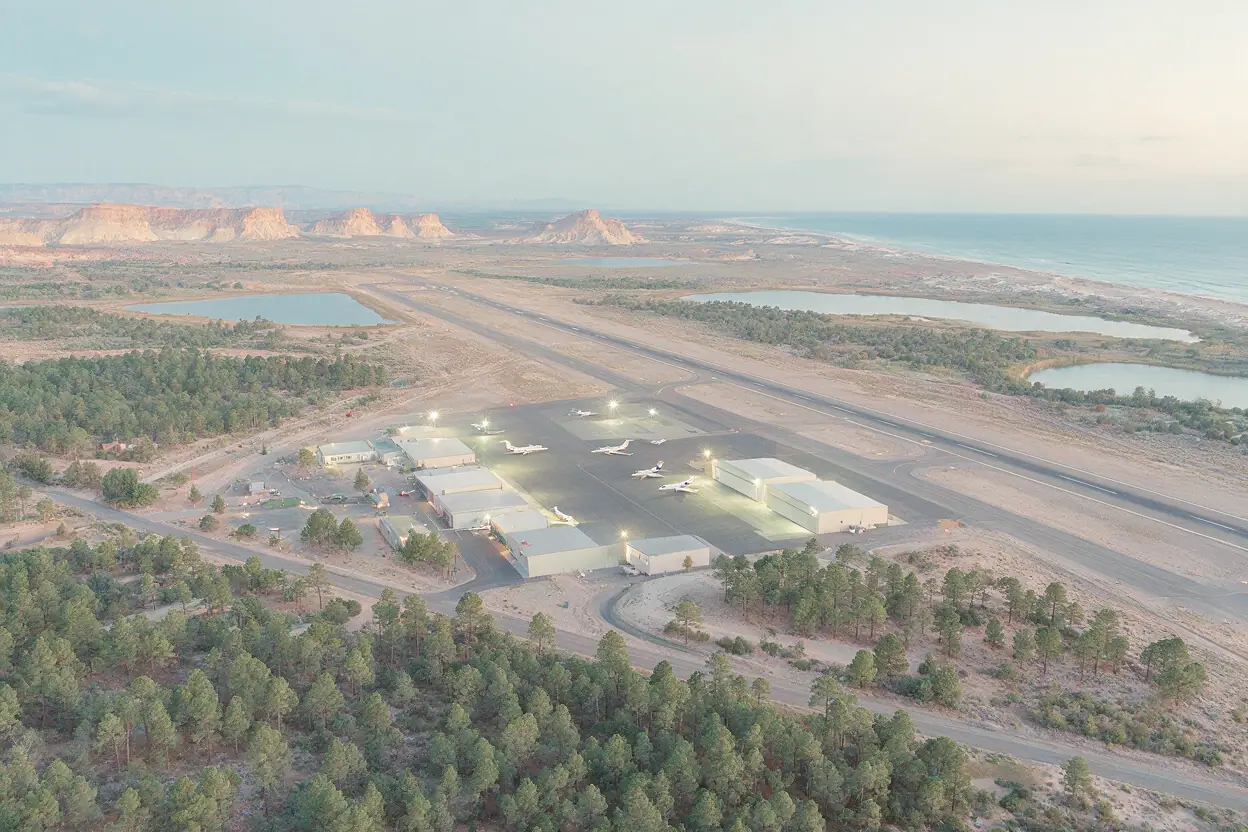
Philadelphia airports and conditions
Northeast Philadelphia Airport sits at 120 feet elevation with a 7,000-foot runway and Atlantic Aviation as the FBO. Its hottest-month average high plus 8 F puts peak density altitude near 2,500 feet, while July itself runs closer to 2,000 feet. That is manageable for most classes but worth knowing on a hot afternoon with a full cabin. The airport is a short drive from Center City via I-95, which makes it the default for Philadelphia departures. If your group is north or west of the city, then ask about the trade-off between a longer drive and a shorter taxi. Sometimes a different field wins. Local weather is the other variable: the region sees wet days in most months, with the count peaking in July, so build a little slack into a tight same-day schedule. When a July afternoon builds storms, then an early departure from PNE beats a tightly scheduled one.
| Mo. | Typical high | Days with rain |
|---|---|---|
| Jan | 41°F | 10 |
| Feb | 45°F | 11 |
| Mar | 52°F | 11 |
| Apr | 63°F | 12 |
| May | 73°F | 11 |
| Jun | 82°F | 11 |
| Jul | 87°F | 13 |
| Aug | 85°F | 12 |
| Sep | 78°F | 10 |
| Oct | 67°F | 9 |
| Nov | 55°F | 8 |
| Dec | 46°F | 10 |
FAQ
Which airport do private air charter flights from Philadelphia use?
Most depart from Northeast Philadelphia Airport (PNE), which has a 7,000-foot runway, sits at 120 feet elevation and hosts Atlantic Aviation. It is the closest general aviation field to Center City and avoids the commercial terminals at PHL. Depending on where your group starts, we may quote a different field to cut your drive time.
How much do private air charter flights from Philadelphia cost?
Hourly rates start around $2,200 for a turboprop and run to $14,500 for a heavy jet, with light jets at $3,800 to $5,800 and midsize at $5,200 to $7,800. These are estimates before positioning, taxes and fees. The trip length, passenger count and date move the final figure more than the aircraft alone.
What is the best aircraft for a Florida trip from Philadelphia?
A midsize jet is the usual pick for South Florida with a full cabin, at $5,200 to $7,800 per hour. A light jet can do it with fewer passengers. In July, when density altitude at PNE can reach about 2,500 feet, the heavier class gives you more margin, and the longer pairings can call for a fuel stop.
When should I book private air charter flights from Philadelphia?
For summer weekends and holidays, start the conversation well before the date; PNE-based aircraft get committed early and quotes firm up as availability tightens. Weekday and winter trips are easier to place at short notice. If your plans are firm, ask us to hold an option while you decide.
Does a charter from Philadelphia avoid the terminal at PHL?
Yes. Departures from Northeast Philadelphia Airport go through the Atlantic Aviation FBO, not the commercial terminals at PHL, so there is no TSA screening line and no concourse walk. You still need government ID for each passenger. Your group arrives, boards and departs, which is the main reason Philadelphia travelers pick PNE over the airlines.